

*ring ring* “hello?”
We are calling on you to help publish our first Teach Blak History resources.


help launch OUR first books
This Invasion Day 2026, Aretha Brown’s Teach Blak History Project is collaborating with Indigenous architect Bradley Kerr to launch two new books focusing on spatial justice.
Our books express our belief, as First Nations young people, that Blak history deserves to be taught, centred, and celebrated globally.
Who are We?
the Teach Blak History Project
The Teach Blak History Project is a youth-led creative and educational initiative led by Aretha Brown and the Kiss My Art collective, sharing Indigenous Australian knowledge globally.
The project spans exhibitions such as After the Rain at the National Gallery of Australia, murals across Japan celebrating Aboriginal leaders and language, protest banners in collaboration with Kneecap, and educational merchandise such as the Decolonise Yourself cards.
ARETHA BROWN and KISS MY ART
Aretha Brown is a Gumbaynggirr artist, screenwriter, cultural advocate, and founder of the collective **KISS MY ART, which has created over 65 murals and public artworks worldwide.
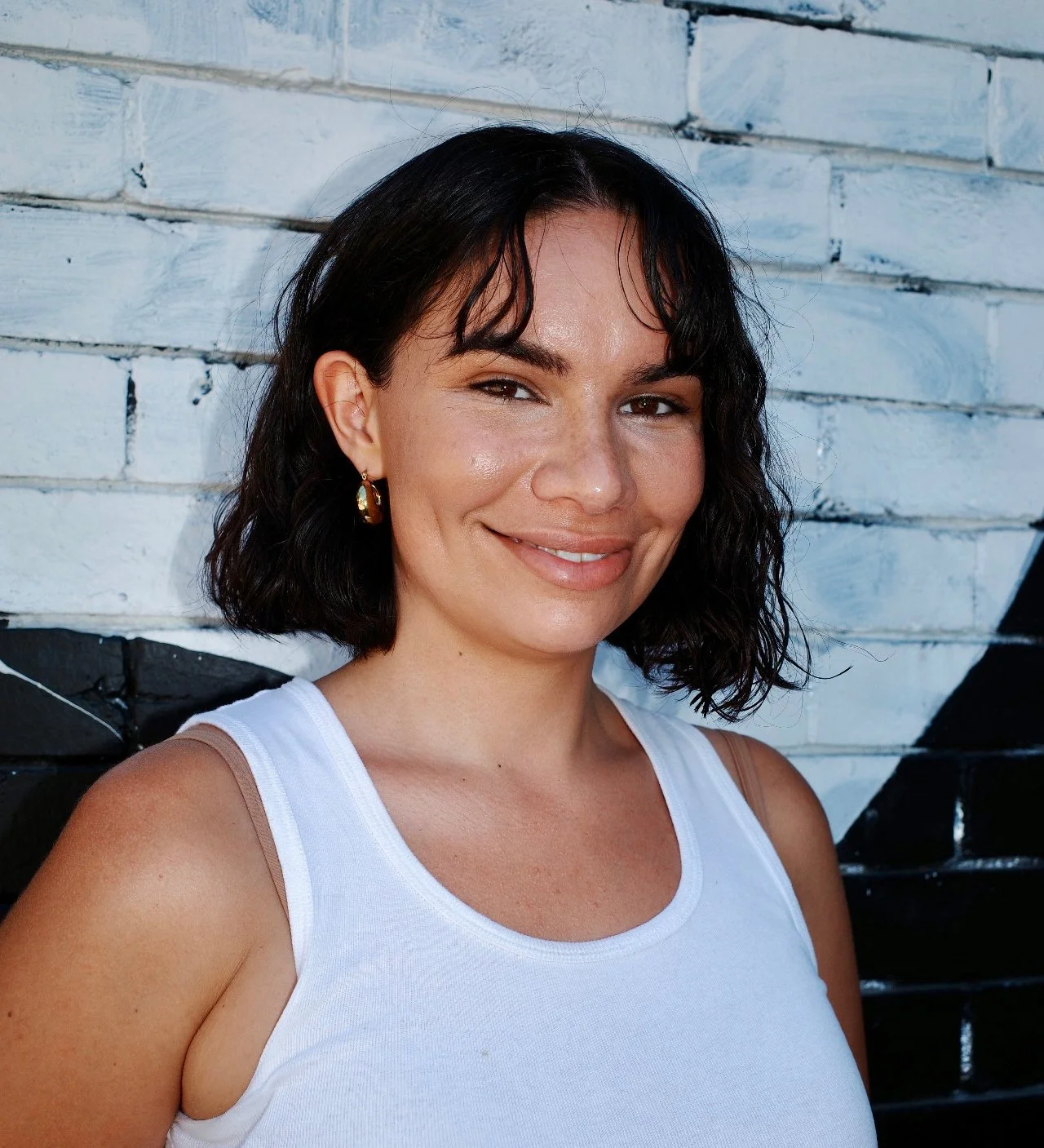

BrADLEY KERR and Winsor Kerr
Bradley Kerr is a Quandamooka architect, curator, lecturer, and the director of architectural practice, Winsor Kerr. Winsor Kerr’s work is highly collaborative, driven by co-design and a reframing of our approaches to understanding place-shaping.

THe Books
Two landmark publications, co-created with Elders, youth, and creative collaborators, designed to live in both classrooms and community spaces.
Book 1: Aretha Brown & the **Kiss My Art Manifesto
A full-colour mural and photography book documenting Aretha Brown’s internationally recognised public artworks, activism, and speeches.
A culturally grounded, curriculum-aligned educational resource for teachers and students.
Practical guidance for young artists interested in mural-making and public art.
Book 2: Architecture of Country by Bradley Kerr
A full-colour dossier, cataloguing Winsor Kerr’s collaborations and research into built environment projects, essays, texts and speeches by Bradley Kerr and frequent collaborators, and centring Blak-led approaches to designing spaces of care, repair and belonging.
An educational project atlas for design practitioners, academics, and students cataloguing projects led by First Nations design practitioners - highlighting moments of care, repair and reciprocity
Practical guidance for young First Nations designers and architects, supporting Blak and ally communities in navigating the co-design process to reach
Frequently Asked Questions
-
“Take the Call” reflects the idea of calling upon our community, and showing up together.
-
Yes. The Teach Blak History Project is partnered with Office.LTD, an organisation endorsed by the Australian Taxation Office (ATO), as a Deductible Gift Recipient (DGR).
All donations of $2 or more made in Australia to The Teach Blak History Project are tax deductible in accordance with ATO guidelines.
-
“Blak” is a reclaimed spelling used by many Aboriginal and Torres Strait Islander peoples. It was popularised in the 1990s by artist and activist Destiny Deacon to describe a uniquely Aboriginal Australian experience.
Unlike “Black,” which is a broad racial term, “Blak” specifically speaks to Indigenous experience in Australia. It’s about self-definition, sovereignty, and refusing colonial language frameworks.
-
Your funds go towards the publication of two Indigenous educational and art resources focused on spatial justice. In supporting this project, funds contribute to:
Research, writing, and editing.
Design and layout.
Photography and image rights.
Art assistance and paid labour.
Production costs.
Distribution costs.
-
Notable collaborating artists, voices, and photographers who have confirmed their involvement include:
Prof. Gary Foley (Gumbaynggirr), Jamie Wdziekonski (@sub_lation), and Tyana Arhondis (@ath1noullla).
-
Blak joy, optimism, youth-driven leadership, and truth-telling.
-
Books sharing Aboriginal specialist knowledge are rare and highly sought after. Supporting Indigenous self-published authors ensures Blak artists can produce and author books without being stripped of financial security, having their labour exploited, or their ideas and knowledge whitewashed by non-Indigenous publishers.
-
For all updates on our resource distribution, feel free to follow us on social media. All future sales will be online and available through our own independent websites.
-
“Take the Call” reflects the idea of calling upon our community, and showing up together.
-
Yes. The Teach Blak History Project is partnered with Office.LTD, an organisation endorsed by the Australian Taxation Office (ATO), as a Deductible Gift Recipient (DGR).
All donations of $2 or more made in Australia to The Teach Blak History Project are tax deductible in accordance with ATO guidelines.
-
“Blak” is a reclaimed spelling used by many Aboriginal and Torres Strait Islander peoples. It was popularised in the 1990s by artist and activist Destiny Deacon to describe a uniquely Aboriginal Australian experience.
Unlike “Black,” which is a broad racial term, “Blak” specifically speaks to Indigenous experience in Australia. It’s about self-definition, sovereignty, and refusing colonial language frameworks.
-
Your funds go towards the publication of two Indigenous educational and art resources focused on spatial justice. In supporting this project, funds contribute to:
Research, writing, and editing.
Design and layout.
Photography and image rights.
Art assistance and paid labour.
Production costs.
Distribution costs.
-
Notable collaborating artists, voices, and photographers who have confirmed their involvement include:
Prof. Gary Foley (Gumbaynggirr), Jamie Wdziekonski (@sub_lation), and Tyana Arhondis (@ath1noullla).
-
Blak joy, optimism, youth-driven leadership, and truth-telling.
-
Books sharing Aboriginal specialist knowledge are rare and highly sought after. Supporting Indigenous self-published authors ensures Blak artists can produce and author books without being stripped of financial security, having their labour exploited, or their ideas and knowledge whitewashed by non-Indigenous publishers.
-
For all updates on our resource distribution, feel free to follow us on social media. All future sales will be online and available through our own independent websites.
Donate Today
Your donation directly supports the creation, production, and distribution of these landmark First Nations–led educational resources.
Support Blak voices. Support Blak knowledge. Teach Blak History.