BRADLEY KERR BIO
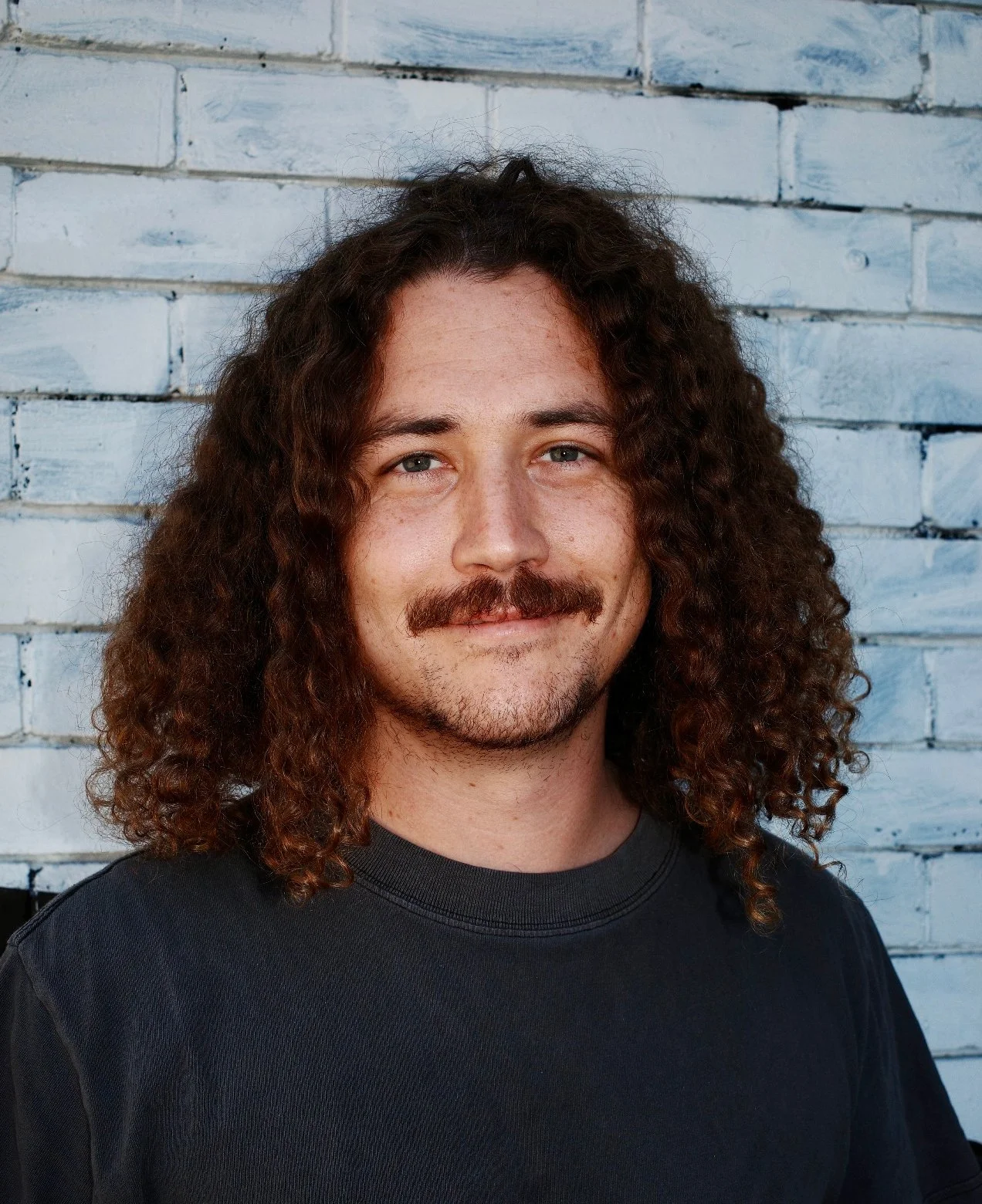
Bradley Kerr is a Quandamooka architect, curator and lecturer at the University of Sydney and Monash University, and the director of architectural practice, Winsor Kerr. Bradley was a member of the curatorial team for the 2025 Venice Architecture Biennale - titled HOME.
Through Bradley’s work, Winsor Kerr are reframing approaches and design methodologies for built environment projects through the intersection of collaboration, Country, Culture and public space. We are a small practice, but we have big ambitions. Art and Architecture are a reflection of culture over time, and the materials we use teach us about the history of a place. Unfortunately, the prevailing built architecture in Australia is often self-referential of colonialism. Our upcoming publication will explore the intersection of Country-centred design and sustainable building practices to advocate for a conscientious and compassionate future.
By partnering with the Teach Blak History Project, we will further Indigenise processes and approaches so that designers have tangible references to consider Country as Client, Stakeholder and User. The book will demonstrate approaches that explore cultural and place based narratives that heal Country and reveal tangible and intangible stories of a place.

Architecture is inseparable from the cultural, ecological and historical presence of First Nations Peoples and our ongoing connection to the lands, skies and waterways of this Country. Every project exists within a living system of law, lore, memory and relationship. While not every project may be about or for First Nations Peoples’, there are so many deadly First Nations designers, architects and professionals who have contributed to strengthening connection to Country and expanding on the opportunities for embedding First Nations ways of knowing and being into the design process.
Country is not a backdrop, it’s a living entity that continues to shape community, memory, and creativity. First Nations architecture and design has the opportunity to position itself from a place that is not fixed, but relational: shaped by values such as care, repair, reciprocity, and respect. This values based centre often guides our work - how we determine who to partner with, how decisions are made, and how design methodologies hold space for diverse cultural expressions, without placing anyone at the margin.
The book will collate essays, critical reflections, interviews, as well as documentation on processes, built and unbuilt works and clear design methodologies that demonstrate culturally appropriate ways of working with Country, Culture and Community. The publication is designed as both a manifesto and resource for students, emerging professionals, architects seeking Country-centred design thinking, and for institutions open to being challenged.
Our goal is to offer a series of counter-positions to contemporary Australian design rhetoric, asking the question of, and providing space for First Nations design methodologies to lead, rather than supplement, the design process.
By partnering with the Teach Blak History Project, this book asserts that architecture and public space are never neutral. They are taught, contested, occupied and designed based on a lineage of thinking dominated by colonial patterns that a cohort of First Nations designers are working to dismantle.
“Even the most “important” white buildings have still only been here 230 years”
ABOUT BRADLEY KERR’S BOOK